
frequently asked questions
Kombucha is a naturally fermented tea drink made by fermenting sweetened tea with a live culture known as a SCOBY (Symbiotic Culture of Bacteria and Yeast). During fermentation, the SCOBY transforms the tea into a refreshing, slightly tangy beverage that’s rich in organic acids, antioxidants, and naturally occurring probiotics.
At ME Kombucha, we brew our kombucha in small batches using high-quality teas, real ingredients, and slow fermentation to create a clean, balanced, and deliciously functional drink.
A SCOBY is a living culture of bacteria and yeast that ferments sweetened tea to create kombucha. It’s the “starter” that causes the natural fermentation.
Kombucha has a naturally tangy, slightly sweet, lightly fizzy taste. The flavor can vary depending on the tea and added ingredients, but it’s generally refreshing, crisp, and mildly acidic—somewhere between sparkling tea and a gentle cider.
Just take a sip and you would know why and ALSO to support UAE’s local Certified products.
Please refrigerate your kombucha. It should be kept in the fridge at 4 degrees Celsius or below.
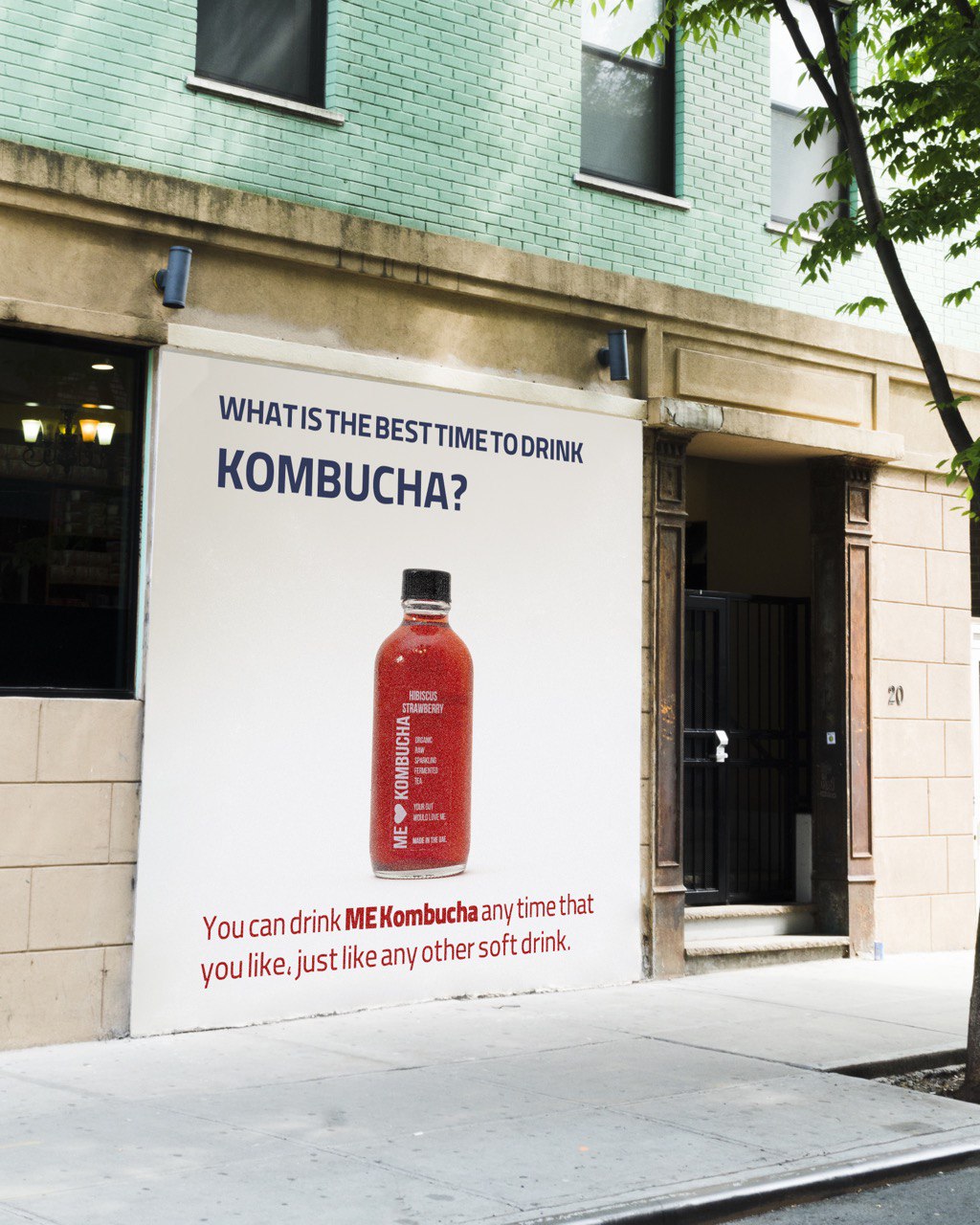
Enjoy it anytime, just like your favorite soft drink. For those seeking its natural digestive benefits, it’s best consumed in the morning before breakfast, or 15 minutes before meals to help support digestion.
Although ME Kombucha has a very small amount of caffein in each bottle; however, children have different sensitivities than adults. Having said that, cardamom in our brew makes it easier for younger children to consume ME Kombucha. If your child loves Kombucha, please start introducing their young systems to it in very small dosages.
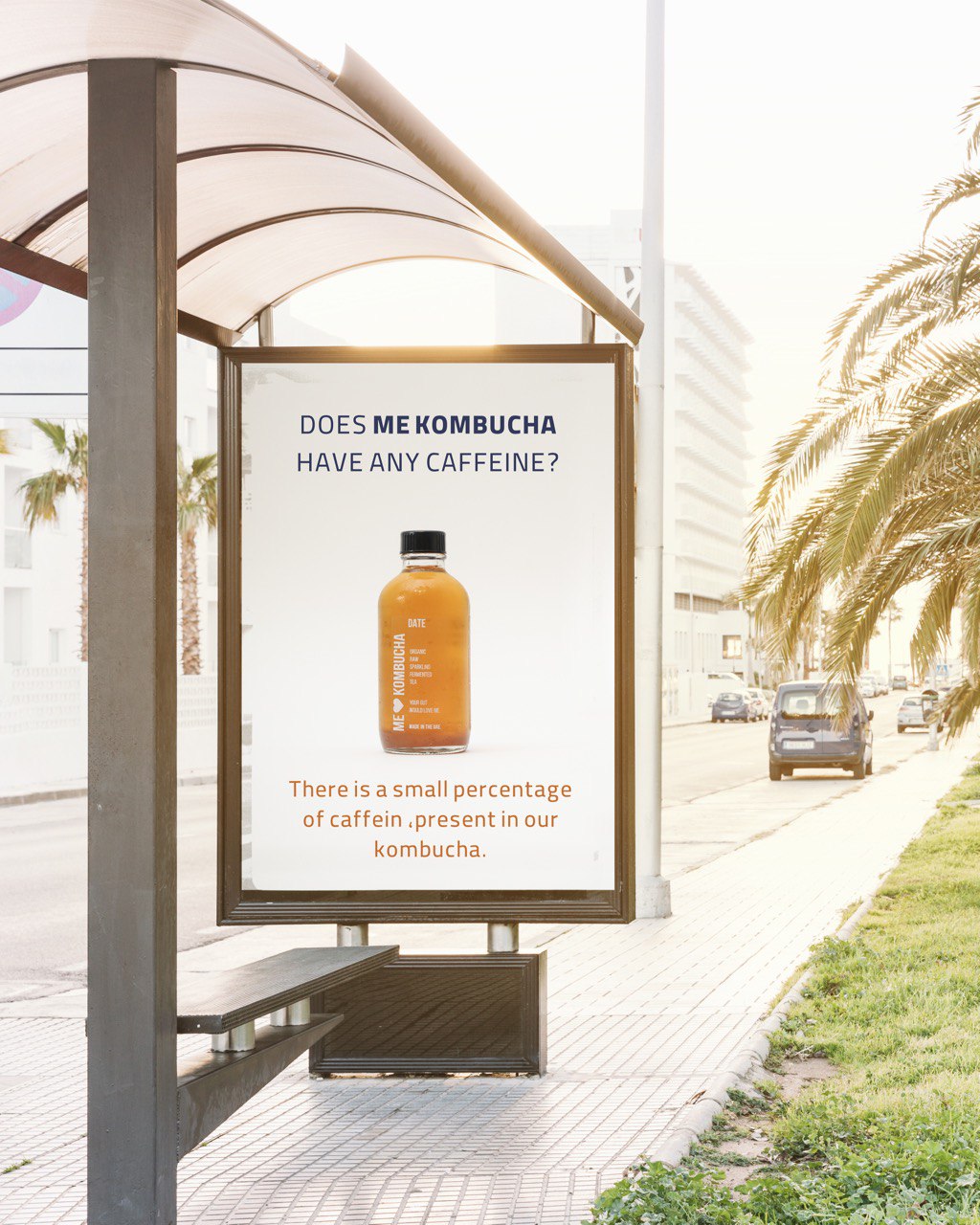
Although the tea used in our kombucha is very mild, however, there is a small percentage of caffein present in our kombucha. That is why we have added cardamom to our brew to counter balance the effect of caffein.
It only refers to the healthy bacteria that makes your gut healthier, the same ones that can be found in yogurt and Kefir.
The Centers for Disease Control recommends that four ounces of kombucha can be safely consumed one to three times a day.
Each batch is hand crafted in small glass jars and carries the best certified products locally and globally. On top of all that, we only use Purified, electrolyzed, Ionized Hydrogen water to make our kombucha.
Kombucha kept in the fridge, does not expire but we do put an expiry date on it as the texture, taste may turn vinegary depending on how you store it.
Kombucha contains chromium, typically in the range of 0.03 to 0.09
mg/L, which can represent a significant portion of the daily recommended intake, potentially between75% and 232%.
The exact amount varies depending on the type of tea and fermentation time.
Health aware individuals seeking natural ways to support gut health, immunity, and energy.
Individual, who are conscious & intentional about what they consume and what they serve their kids.
Athletes, professionals and families looking for clean, low sugar, alternatives to soft drink.
Wellness enthusiasts who appreciate functional beverages.
Trend-conscious consumers drawn to locally produced brands.
Individuals who align with sustainability, mindful consumption and authenticity.
